01
Sensors on critical equipment
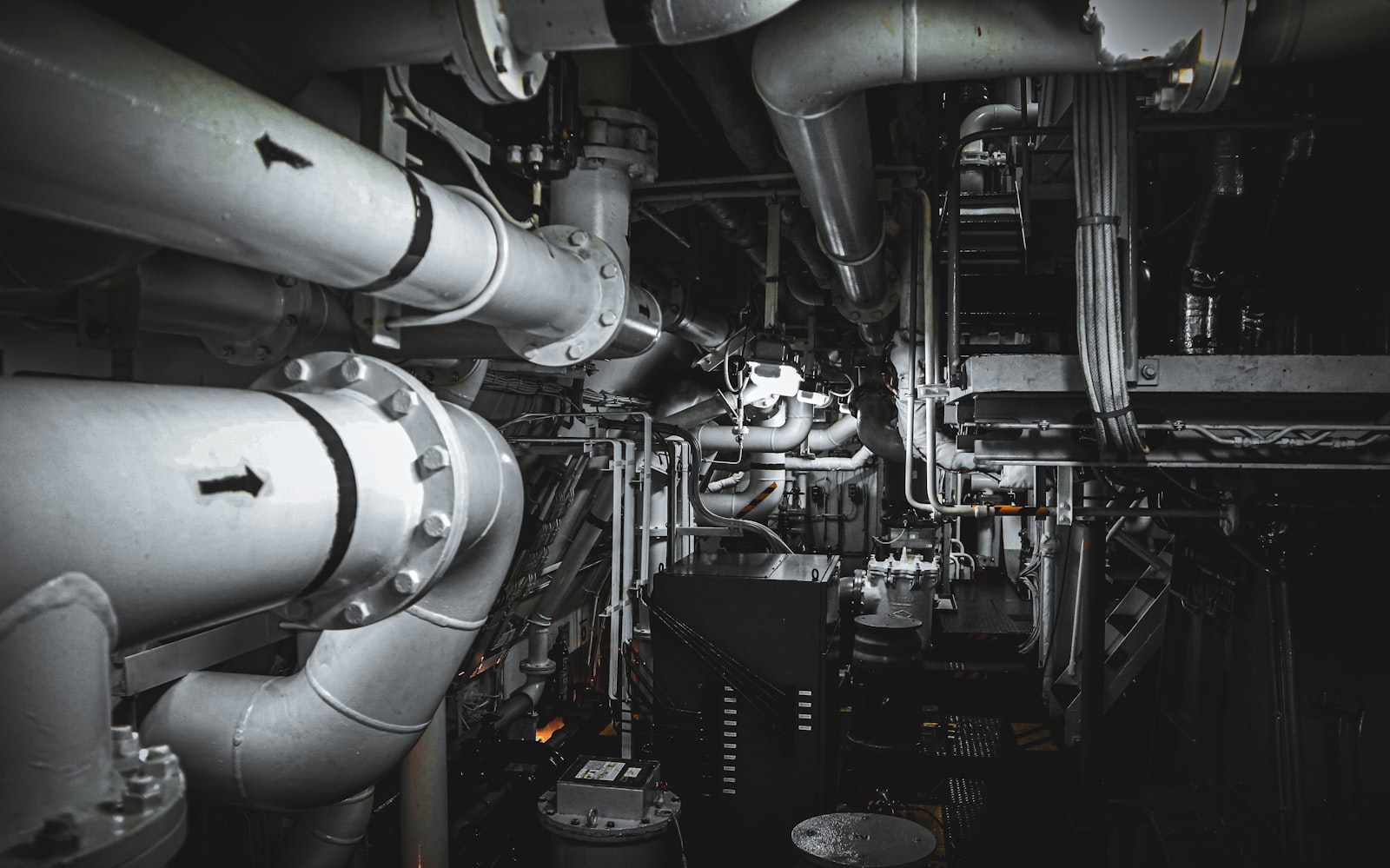
We install sensors and connect the networks your boat already has: engines and generators (J1939), NMEA 2000 instrumentation, pumps, batteries, tanks and bilge through physical inputs.
An architecture designed for the sea: intermittent satellite links, expensive data and alarms that can't wait.
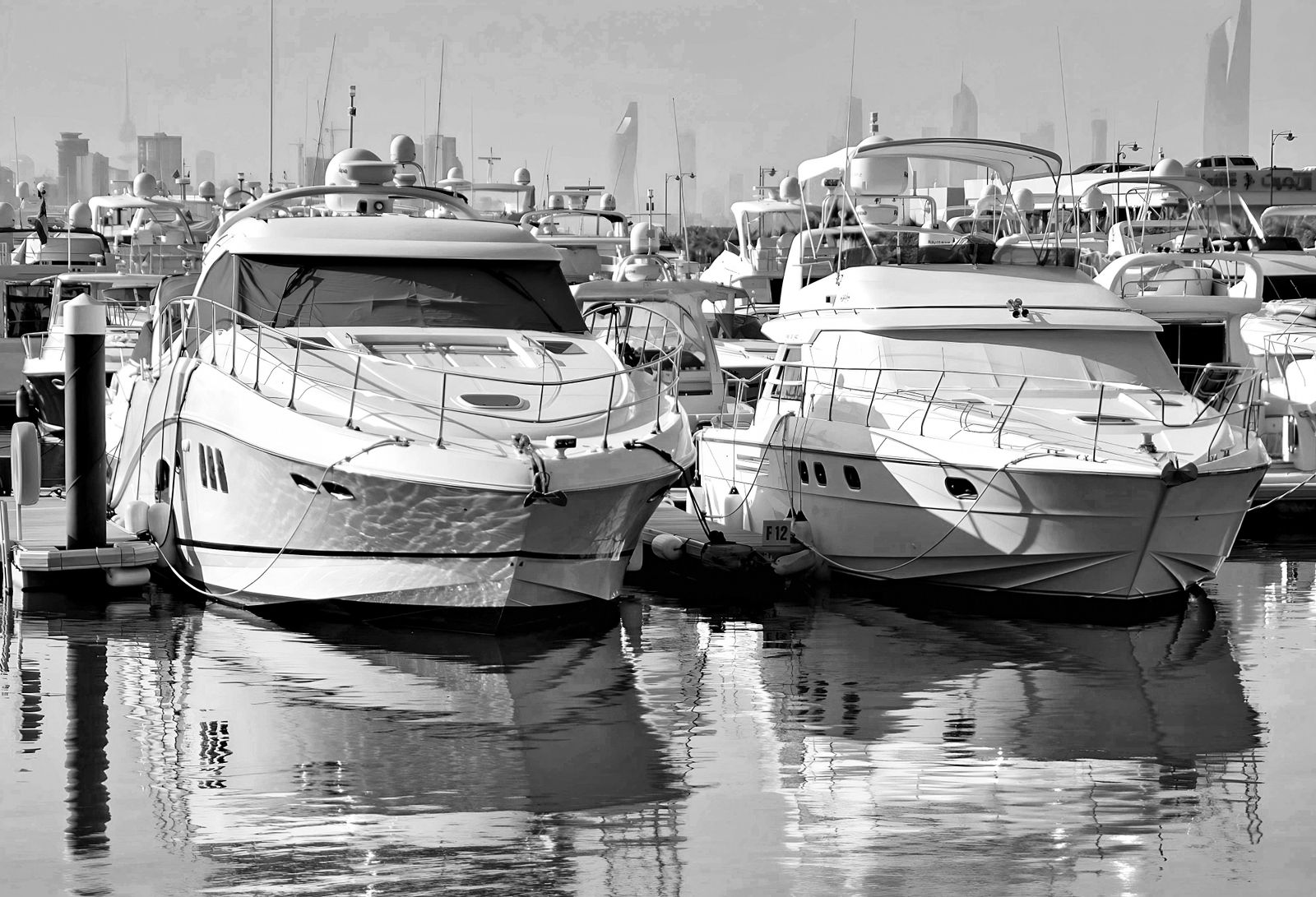


We install sensors and connect the networks your boat already has: engines and generators (J1939), NMEA 2000 instrumentation, pumps, batteries, tanks and bilge through physical inputs.
A marine edge computer filters and buffers everything locally. If the link drops, nothing is lost. Critical alarms trigger right there — relay and siren.
Decoding, analytics and history: geofencing, pump duty cycles, battery and temperature trends, per-vessel alarm rules.
Real time on the web dashboard, critical push in the app, and an API to integrate with your systems.
Marina Wi-Fi, 4G along the coast or Starlink offshore: the gateway uses the link that's available. By design, only the boat initiates the connection, encrypted end to end (MQTT over TLS) — which is why it works even behind CGNAT (carrier or satellite), where the cloud could never "find" the boat. And with no internet at all, the critical alarm still fires on board.
A flooding bilge can't depend on a link. The gateway triggers relay and siren on board instantly; when the connection returns, the cloud completes the picture with push, history and analytics.
The platform doesn't marry one hardware or one input type. CAN buses, marine serial, industrial protocols, physical I/O and aggregation layers — everything comes in.
The gateway is interchangeable industrial hardware. The contract between boat and cloud is the data — not the equipment brand.
A per-vessel design: equipment survey, right-sized kit, clean installation with galvanic isolation and a watertight enclosure, commissioning with an end-to-end test.